How to Survive the Holiday Dinner Political Debate: A Seasonal Survival Guide
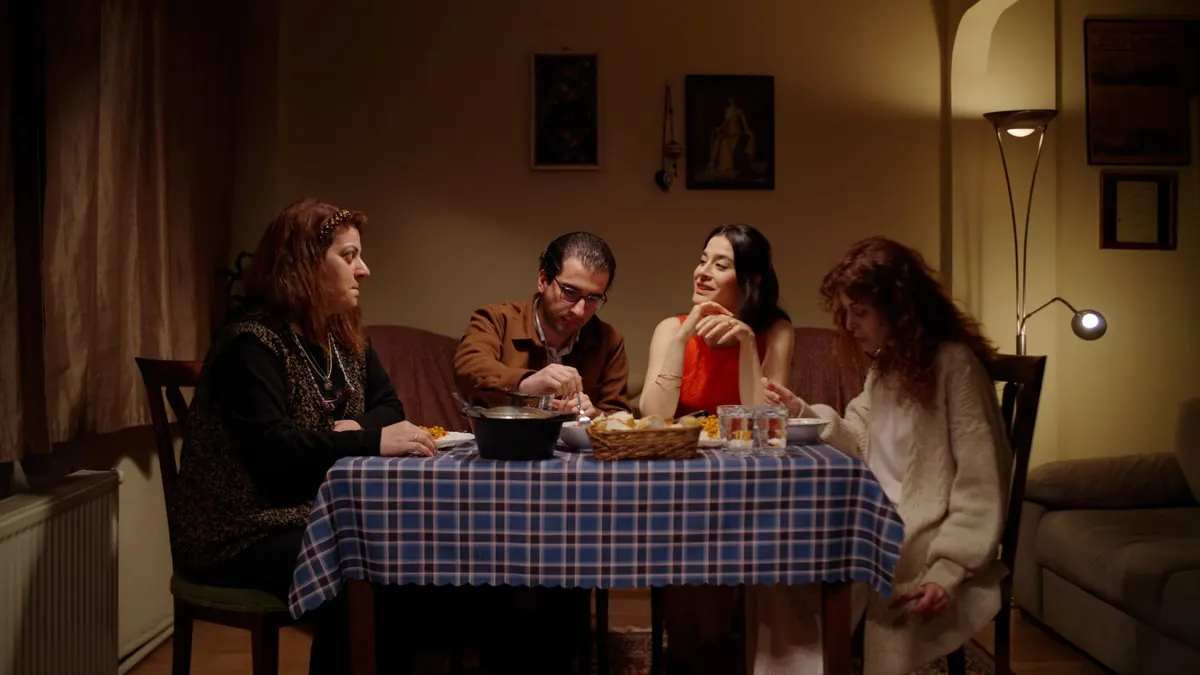
There is a particular silence that falls over a holiday table between the second glass of wine and the arrival of the main course. Someone has just said something. Someone else has inhaled sharply. And every person at the table is quietly calculating whether this will be the year the meal turns into a shouting match.
It rarely begins with a declaration of war. It begins with a passing remark about the news, a joke that lands wrong, a cousin's innocent question about something that turned out to be a live wire. Twenty minutes later, two people are standing in the kitchen, and the rest of the family is eating in that strained, over-cheerful way that convinces nobody.
You are not going to fix anyone's politics over roast potatoes. What you can do is protect the evening: keep the conversation from catching fire, hold a line without humiliating anyone, and leave with your relationships more or less intact. That takes a little planning, a few sentences you can say out loud without rehearsing them in the car, and the willingness to be slightly boring on purpose.
Accept That Nobody Is Going to Change Their Mind at the Table
Family arguments about politics are almost never arguments about facts. They are arguments about identity, about being heard, about who gets to be the sensible one in the room. That is why handing your uncle a well-sourced correction goes so badly: you are not addressing a gap in his information, you are telling him, in front of his children, that he is a fool.
People do change their minds, but slowly, privately, and usually years later. Almost never mid-meal, while being corrected by a relative who has just refilled their glass. Once you genuinely accept this, the pressure drops. You stop treating the conversation as a contest you are losing and start treating it as weather you have to get through.
Set the Terms Before Anyone Sits Down
The best time to handle a political argument is before it exists. A few quiet moves in the days and hours before dinner do more than any clever comeback.
- Talk to the host first. If that is you, claim the authority you already have: "We're keeping the news off the table tonight, we've got enough to catch up on." Said lightly at the start of the meal, it works. Said after the first flare-up, it sounds like a rebuke.
- Bring something else to talk about. Vague hopes of "good conversation" are not a plan. Have three real questions ready: about the renovation, the new job, the trip, the garden. Specifics are the cheapest defence there is.
- Agree on an exit time. Decide with your partner or your own conscience when you are leaving, and stick to it. An end point in sight makes an hour of difficult conversation bearable.
- Sit deliberately. If the seating is open, put yourself between the two people most likely to collide, or next to the relative who needs an ally. If it is assigned, ask the host quietly for a change.
The Moves That Work Mid-Conversation
Pause for ten seconds
The single most useful habit is a short delay. Count to ten before responding to a provocation. Most of the sentences we regret at family meals are the ones that arrive in the first two seconds. A pause also signals, without a word, that you are not going to be dragged into a rhythm.
Name the pattern, not the person
"We've been going around this for a while" is easier to hear than "you always do this." Describe what is happening to the table rather than what is wrong with the man at the end of it. It lets everyone step back without anyone losing face.
Ask a real question
Curiosity — genuine, not sarcastic — breaks momentum better than disagreement. "What makes you feel that way?" or "Has that always been your view, or did something change it?" You do not have to agree with the answer. You just have to listen to it without loading your reply, which usually buys you five minutes and a slightly softer room.
Use the dull pivot
Change the subject in the least interesting way available. The weather, the parking, the fact that the dog has been staring at the table for forty minutes. A boring pivot works precisely because it gives the table somewhere to go that is not a fight.
Scripts for Holding a Boundary
A boundary is a statement about what you will do, not a demand that someone else change. Keep it short, keep it calm, say it once, and then act on it. The follow-through matters far more than the phrasing.
- "I'd rather not get into politics tonight. Tell me about the kitchen — is it finished?"
- "I'm going to stop you there. I don't want to argue about this at dinner."
- "We're not going to agree on this, and that's fine. I'd still like to hear how your year has been."
- "That's a fair question and I don't have a good answer. Pass the potatoes?"
- "If we keep going, I'm going to take a walk. I'd rather stay."
"I love you and I disagree with you. I'd like to eat dinner now."
Say it warmly, once, and immediately offer the next topic. Do not explain your boundary at length; long explanations invite negotiation, and negotiation is what you are trying to avoid.
When Someone Will Not Let It Go
Some people need a second signal. Repeat the boundary in the same words, without raising your voice, and then disengage physically. Get up to clear plates, check on the kitchen, take the dog around the block. Leaving the table for four minutes is not a defeat; it is a pressure valve, and it usually resets the room.
Two things not to do. First, do not recruit the table. Turning your brother into an ally converts a private disagreement into family factions that outlast the meal. Second, do not use alcohol as your explanation — "he's had a few" ends the argument but also invites everyone to excuse it, and the same thing happens next year.
If you are driving yourself, plan your exit before you arrive: your own car keys, a taxi number, cash for a ride, or an agreed signal with whoever came with you. Never drive after drinking, and never let an argument be the reason you get behind the wheel in a hurry.
Look After the People Who Cannot Leave
Children at the table are listening more carefully than adults assume, and they are taking notes on how the adults in their family handle disagreement. A partner meeting the family for the first time, or a guest who is outnumbered six to one, may be having a far worse evening than you are. Change the subject on their behalf. Sit next to them. Agree on a code word they can use if they need air, and afterwards, tell them you noticed and that it was not their fault.
Repair the Next Day
Send a short message rather than relitigating the argument. "I'm glad you came yesterday" or "We disagree, and I still want you at the table" does more than a long justification of your position. Do not forward the article you read at two in the morning. Do not reopen the topic in writing, where tone goes missing and everything sounds colder than you meant. If something genuinely needs saying, say it in person, later, when the plates are gone.
A Short Checklist for the Season
- Decide your exit time and your way home before you arrive.
- Prepare three specific questions that have nothing to do with politics.
- Agree the ground rules with your host, briefly and lightly.
- Pause ten seconds before answering anything designed to provoke you.
- Keep your boundary to one sentence, said once, warmly.
- Leave the table before you lose your temper, not after.
- Follow up the next day with something short and kind.
You will probably not get through the season without one difficult evening. That is fine. The goal is not a flawless dinner; it is a table where people still want to sit next to each other next December.
Photo: Ethem Günhan / Pexels